Understanding Co-Sleeper Cribs: A Comprehensive Guide for New Parents
In the ever-evolving landscape of infant sleep solutions, co-sleeper cribs have garnered considerable attention amongst new parents. These specialized cribs provide a distinct bridge in between co-sleeping and safe sleep practices, providing advantages that resonate with both caretakers and infants. This post looks into the intricacies of co-sleeper cribs, outlining their features, benefits, considerations, and answering typical questions to guide parents in making an informed choice.
What is a Co-Sleeper Crib?
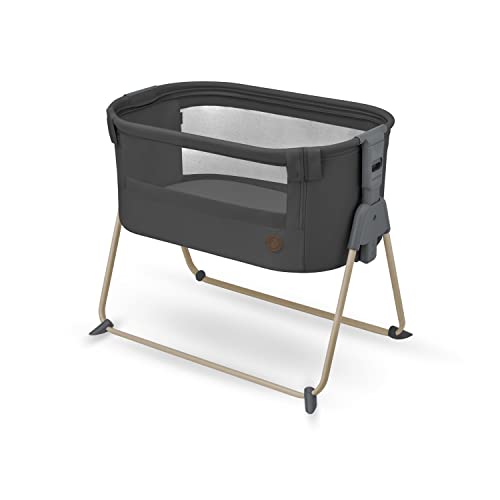
A co-sleeper crib, also called a bedside sleeper, is a kind of crib developed to safely attach or sit beside an adult bed. It permits infants to sleep near their parents without the risks traditionally associated with adult bed-sharing. These cribs come in different designs, but many share an essential feature: one side that is lower, allowing easy reach to the baby while keeping them in their own designated sleeping space.
Key Features of Co-Sleeper Cribs
- Safe Attachment: Designed to securely connect to the adult bed, ensuring stability.
- Adjustable Height: Height modification alternatives for smooth positioning next to the adult bed mattress.
- Breathable Mesh Sides: Often geared up with breathable mesh sides to boost airflow.
- Compact Design: Takes up less space than traditional cribs, making them ideal for small rooms.
- Portable Options: Many co-sleeper cribs are lightweight or collapsible, enabling for easy movement and travel.
Advantages of Using a Co-Sleeper Crib
Co-sleeper cribs present numerous advantages that attract new parents, consisting of:
- Enhanced Bonding: Proximity promotes bonding and can alleviate nighttime feedings and comforting.
- Simplified Nighttime Feeding: Parents can quickly feed or soothe their baby without requiring to get out of bed.
- Decreased Risk of Bed-Sharing Hazards: Co-sleepers develop a safer environment than conventional bed-sharing, reducing the danger of suffocation and falls.
- Support of Independent Sleep: Infants have their own sleep space, which promotes independent sleeping habits.
Considerations When Choosing a Co-Sleeper Crib
While co-sleeper cribs provide many advantages, there are likewise several considerations that parents ought to assess before purchasing:
- Safety Standards: Always make sure that the crib sticks to current safety policies supplied by organizations such as the Consumer Product Safety Commission (CPSC).
- Size Compatibility: Measure the adult bed to make sure the co-sleeper will fit securely and comfortably along with it.
- Ease of Use: Look for models that assist in easy operation and accessibility, especially during nighttime.
- Convertible Options: Some co-sleepers use the versatility to convert into a traditional crib once the kid outgrows them, which can be an affordable option.
Leading Co-Sleeper Cribs on the marketplace
To assist browse the abundance of options readily available, here's a table showcasing some popular co-sleeper cribs together with their standout features:
| Brand | Design | Features | Rate Range |
|---|---|---|---|
| Arm's Reach | Perfect Arc Crib | Adjustable height, removable side | ₤ 150 - ₤ 230 |
| Babybay | Initial Co-Sleeper | Made of sustainable wood, includes mattress | ₤ 240 - ₤ 300 |
| Chicco | Next2Me Magic | Easy side access, collapsible design | ₤ 200 - ₤ 280 |
| Snuggle Me | Organic Co-Sleeper | Soft, comfortable shapes; portable | ₤ 120 - ₤ 180 |
| HALO | BassiNest | 360-degree rotating, height-adjustable | ₤ 250 - ₤ 350 |
Tips for Using a Co-Sleeper Crib
- Positioning: Place the co-sleeper next to the bed at the exact same height level for safety.
- Follow Safe Sleep Practices: Ensure the crib is established according to guidelines to lessen threats. This consists of preventing loose bedding and keeping the bed mattress company.
- Regularly Check Security: Periodically examine the attachment between the co-sleeper and the adult bed to ensure it stays safe and secure and steady.
Regularly Asked Questions (FAQs)
1. Are co-sleeper cribs safe?Yes, when
utilized according to the manufacturer's directions and security guidelines, co-sleeper cribs are considered a safe alternative to traditional bed-sharing.
2. The length of time can my baby use a co-sleeper crib?Most co-sleeper cribs are created for infants up to 5-6 months old, however check specific item specs for age and weight limits. 3. Do co-sleeper cribs come with mattresses?Many co-sleeper cribs feature consisted of bed mattress, however verify this before purchase. Ensure see post satisfies security standards. 4. Can a co-sleeper crib be utilized for twins?There are co-sleeper cribs designed for twins, but these models might be less typical. Constantly check the size and weight limits. 5. Ought to I use a co-sleeper crib for naps?Absolutely! Co-sleepers work well for both nighttime sleeping and naps, supplying a constant sleep environment for infants. Co-sleeper cribs use an efficient and safe compromise
for new parents excited to keep their infant close while preserving a secure sleeping environment. By comprehending their functions, advantages, and
security factors to consider, parents can make informed choices that accommodate their family's needs. Whether you're looking for convenience throughout nighttime feedings or a way to build a strong early bond, a co-sleeper crib might just be the right option for you and your youngster.